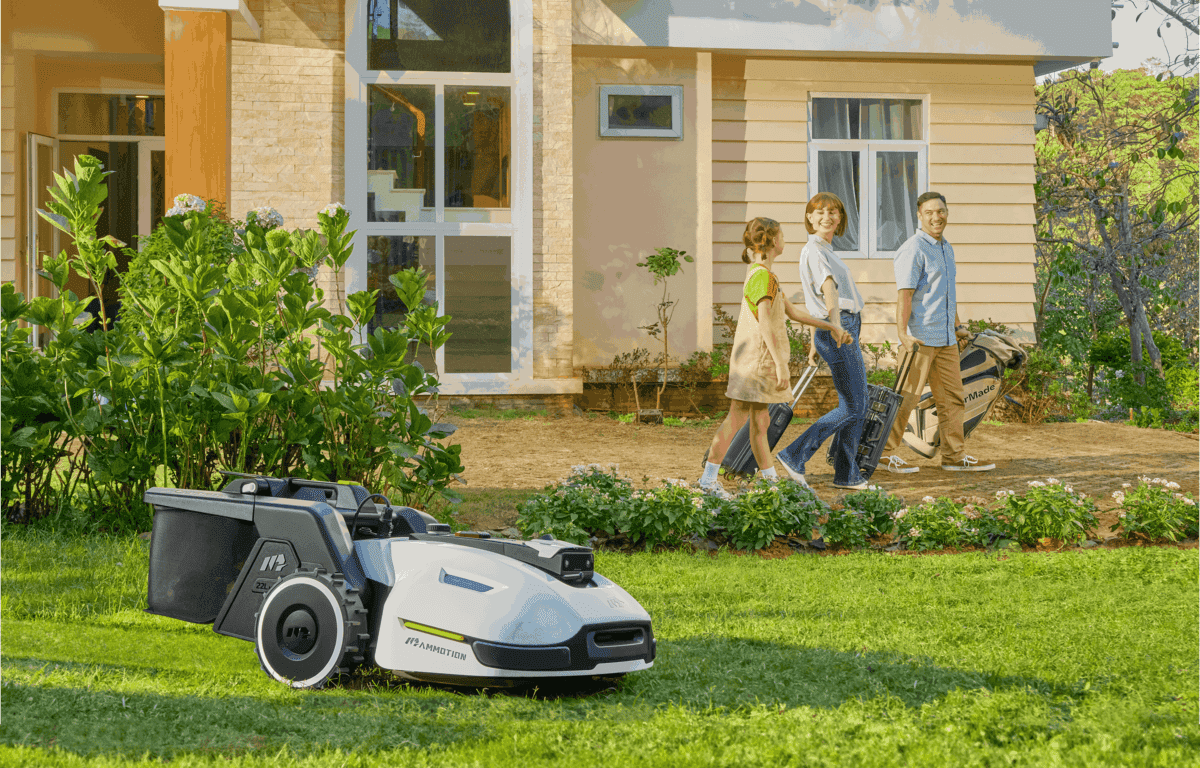
In recent years, technology has revolutionized the way we care for our lawns. One of the most significant innovations is the robot lawn mower, a device designed to take the hard work out of keeping your yard neat and tidy.
But the big question for homeowners: Are robot mowers worth it? But for homeowners who want a beautifully maintained lawn without spending hours behind a traditional mower, robot mowers may promise to be the perfect solution. Next, we will analyze if the robot mower is worth it from all parts.
Ease of Use: A Simple, Automated Lawn Care Experience
One of the biggest selling points of robot lawn mowers is their automation. For homeowners looking to save time and effort, these mowers offer a level of convenience that traditional gas or electric mowers simply can’t match.
Set It and Forget It
Once you’ve set up the boundary wires and programmed the mower’s schedule (usually through an easy-to-use app), the mower will take over the lawn care tasks. It knows when to start and stop, how to navigate obstacles, and even when to return to its charging station. This means that homeowners can have a consistently maintained lawn without needing to spend hours every week behind a mower.
Navigating Complex Lawns
Robot mowers are particularly impressive when it comes to navigating complex or tricky landscapes. Whether your lawn includes narrow pathways, trees, or uneven terrain, the Luba 2 and Yuka are designed to handle these challenges with ease. Thanks to advanced sensors and smart mapping technology, these robots can adapt to a variety of lawn shapes and sizes.
Quiet Operation
This is a major benefit for homeowners who live in quiet neighborhoods or prefer not to disturb the peace during early morning or late evening hours. The lower noise levels also make robot mowers a great option for households with young children or pets, as they won’t cause any disruptions to daily activities.
Maintenance Requirements: Easy or a Hassle?
One of the concerns that often arises when considering a robot lawn mower is maintenance. After all, while these machines offer convenience and time savings, do they require a significant amount of upkeep? Let’s take a closer look at the maintenance needs of robot mowers and how they compare to traditional mowers.
Regular Maintenance
Robot mowers like the Luba 2 and Yuka require much less ongoing maintenance than traditional gas-powered mowers. For example, they don’t need oil changes, fuel refills, or spark plug replacements. Instead, maintenance primarily revolves around keeping the mower clean and ensuring that its blades are sharp. A quick wipe-down of the mower after each use and occasional checks on the wheels and sensors are all that’s needed for general upkeep.
Blade and Battery Care
The most important maintenance tasks for a robot mower are related to its blades and battery. Over time, the blades may need to be replaced as they dull, though they typically last for several seasons. Fortunately, these blades are usually easy to replace and available at reasonable prices. Battery life is another consideration—while robot mowers are generally energy-efficient, their batteries will eventually lose capacity. Replacing the battery is a simple task, though it can add to the overall cost of ownership. That said, most robot mowers come with long-lasting batteries that should last for several years, depending on usage.
Less Hassle Than Traditional Mowers
When you compare this to traditional gas mowers, the maintenance requirements of robot mowers are significantly lower. Gas mowers require constant attention—changing oil, refueling, cleaning the air filter, and sharpening blades are all part of routine maintenance. Plus, gas mowers often require more extensive repairs due to engine wear. In contrast, robot mowers require less mechanical expertise and fewer steps to keep them running smoothly. This makes them a great choice for homeowners who don’t want to spend a lot of time maintaining their equipment.
Environmental Impact: An Eco-Friendly Lawn Care Solution
Traditional lawn care equipment, particularly gas-powered mowers, can have a significant impact on both the environment and the quality of life in residential neighborhoods. Robot mowers, on the other hand, offer a more eco-friendly alternative.
Reducing Carbon Footprint
One of the primary environmental benefits of robot mowers is their ability to reduce emissions. Gas-powered mowers release carbon dioxide (CO2) and other harmful gases into the atmosphere, contributing to air pollution and climate change. By switching to a robot mower, homeowners can significantly reduce their carbon footprint, contributing to a greener environment.
Energy Efficiency
The energy required to charge a robot mower is far less than the energy needed to run a gasoline engine. Additionally, most robot mowers are designed with energy-saving features such as automatic charging and scheduling, ensuring that they only use power when needed. Over time, this translates into lower energy consumption, making them a more sustainable option.
Noise Reduction
Gas-powered mowers are notoriously loud, often disturbing neighbors and disrupting quiet, peaceful neighborhoods. On the other hand, robot mowers operate quietly, allowing them to work early in the morning or late into the evening without causing a nuisance. The low noise levels make robot mowers particularly appealing for urban areas or homes with small yards where peace and quiet are valued.
Less Chemical Usage
Robot mowers also contribute to a healthier, more sustainable lawn care routine. Because they mow your lawn more consistently and evenly, it reduces the need for fertilizers and weed treatments. A healthier lawn with more even grass growth means fewer chemicals are required to maintain its appearance, which is better for the soil, the local ecosystem, and overall water conservation.
Performance and Effectiveness: How Well Do Robot Mowers Cut?
When it comes to lawn care, the quality of the cut is one of the most important factors. Homeowners want their grass to be neatly trimmed, with a uniform and professional-looking finish. Traditional gas and electric mowers are known for delivering clean, precise cuts, but do robot mowers live up to the same standards?
Robot mowers like Mammotion’s Luba 2 and Yuka generally do a good job of providing even cuts, though their performance can vary depending on the lawn size and type. These devices use a mulching technique, where the grass clippings are finely shredded and left on the lawn. This can help to naturally fertilize the grass as the clippings decompose, improving the overall health of your lawn over time.
Market Trends and Technological Innovations
As technology continues to improve and the benefits of robot mowers become more apparent, adoption rates are steadily increasing. More homeowners are discovering the convenience and time-saving benefits of switching to a robot mower.
In fact, the robot mower market is expected to grow significantly in the coming years, with some analysts predicting that millions of homes will own robot mowers by the end of the decade. The convenience of having a self-operating lawn care solution, combined with the lower maintenance costs and environmental benefits, makes robot mowers an attractive option for a growing number of consumers.
The adoption rate may vary by region, with larger lawns and more affluent neighborhoods being among the first to fully embrace the technology. However, as prices continue to drop and features improve, it’s likely that robot mowers will become a common sight in suburban and urban lawns across the country.
Conclusion: Is a Robot Mower Worth It?
After weighing the pros and cons of robot mowers, it’s clear that robot lawn mowers like Mammotion’s Luba 2 and Yuka Robot Lawn Mower offer a variety of benefits for homeowners seeking a low-maintenance, eco-friendly, and time-saving solution for lawn care. While the initial investment may seem high, the long-term savings in both time and money—along with the environmental benefits—make robot mowers a smart choice for many.
However, for smaller lawns or homeowners who prefer a hands-on approach to lawn care, the higher upfront cost of a robot mower may not be justified. It’s important to carefully consider your lawn size, maintenance preferences, and budget before making a final decision.
 Robot Lawn Mower
One thought on “Are Robot Mowers Worth It?”