Two commonly used terms in lawn care—lawn mower and grass cutter—are sometimes used interchangeably, leading to confusion. However, these tools serve distinct purposes and are designed for different types of grass and terrain, knowing what each tool is best suited for can save you time, effort, and money. In this article, we’ll explore their functionalities, key differences, and the scenarios in which each tool excels.
Definition and Functionality
To better understand the difference between a lawn mower and a grass cutter, it’s essential to explore their definitions, designs, and primary uses.
What Is a Lawn Mower?
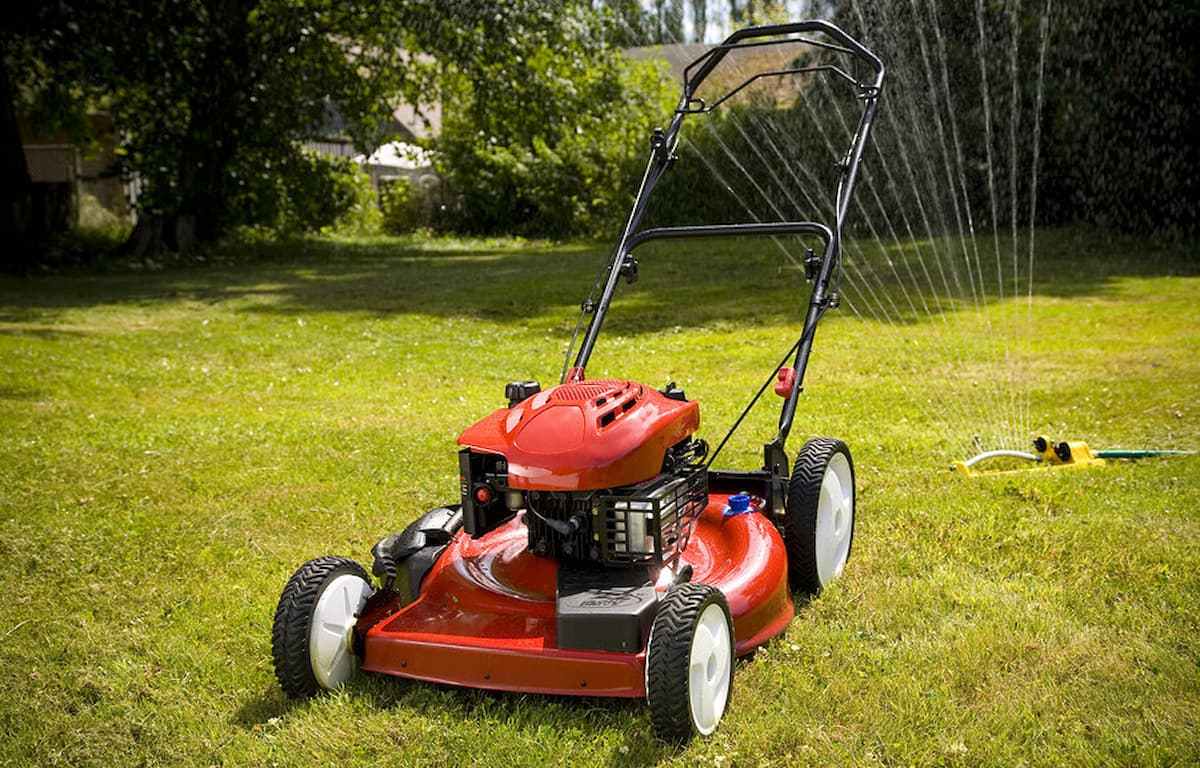
A lawn mower is a machine specifically designed to maintain a uniform grass height on lawns, gardens, and other flat surfaces. Most lawn mowers feature wheels for easy movement, a motor (electric, battery-powered, or gas), and a rotating blade system that trims grass evenly. Lawn mowers come in various types, including push mowers, riding mowers, and robotic mowers, each suited for different lawn sizes and user preferences.
Lawn mowers are ideal for maintaining manicured lawns, offering precision and efficiency. They work best on relatively smooth, even terrains and are commonly used by homeowners aiming for an aesthetically pleasing yard.
What Is a Grass Cutter?
A grass cutter, often referred to as a brush cutter or trimmer, is a handheld tool designed for cutting tougher vegetation, such as tall grass, weeds, and even small shrubs. Grass cutters are typically powered by gas or electricity and use nylon lines, metal blades, or saw-like attachments for cutting. Unlike lawn mowers, grass cutters are not confined to flat surfaces and can be used in hard-to-reach or uneven areas.
Grass cutters excel in versatility and are perfect for tackling overgrown or neglected spaces, edges, and areas where a mower cannot reach, such as around trees, fences, or rocky terrain.
Key Differences Between a Lawn Mower and a Grass Cutter
While both lawn mowers and grass cutters are valuable tools for lawn care, their designs, purposes, and functionalities differ significantly. Understanding these distinctions can help you choose the right tool for your specific needs.
Design and Operation
Lawn mowers are designed with wheels and a cutting deck, making them ideal for pushing or riding over flat, open spaces. Their motorized blades rotate horizontally to deliver even cuts, ensuring a consistent height across the lawn. Advanced models, like robotic mowers, operate autonomously, adding convenience to regular maintenance.
Grass cutters, on the other hand, are handheld or shoulder-mounted tools designed for maneuverability in tight or uneven spaces. They lack wheels and use cutting mechanisms like nylon string or metal blades, allowing them to cut through tall grass, thick weeds, or small shrubs. Grass cutters are generally more compact and portable, making them suitable for challenging terrain.
Purpose and Application
The primary purpose of a lawn mower is to maintain a clean, uniform lawn with minimal effort. They are best suited for soft grass and flat areas that require frequent trimming to maintain aesthetic appeal.
Grass cutters are more versatile, capable of handling overgrown vegetation, dense weeds, and areas with obstacles like rocks or tree roots. They’re ideal for edging work, clearing brush, or cutting grass in irregular spaces where lawn mowers are impractical.
Ease of Use and Maneuverability
Lawn mowers are generally easier to operate for larger, open areas. They require less physical effort when dealing with flat terrains and are often designed for user comfort, particularly in riding or robotic models.
Grass cutters, however, demand more physical engagement, as they are handheld and rely on the user’s movement to navigate the terrain. Their lightweight and compact design makes them effective in areas that require precision, such as corners, slopes, or tight spaces, but they may be more labor-intensive for large areas.
| Feature | Lawn Mower | Grass Cutter |
| Design | Wheeled, motorized, with a cutting deck | Handheld or shoulder-mounted, portable |
| Cutting Mechanism | Horizontal rotating blades | Nylon strings, metal blades, or saw attachments |
| Power Source | Gas, electric, or battery | Gas or electric |
| Best For | Flat, open, and even lawns | Overgrown grass, weeds, and uneven terrain |
| Ease of Use | Easy for large areas; minimal physical effort | Requires more physical effort and precision |
| Application Areas | Regular lawn maintenance | Edges, tight spaces, and rugged areas |
| Cost Range | Typically higher, especially for robotic models | Usually more affordable, depending on model |
| Maintenance Needs | Moderate; blade sharpening, motor care | Low to moderate; line or blade replacement |
Which Tool Should You Choose?
Choosing between a lawn mower and a grass cutter depends on your specific lawn care needs, the type of terrain you’re working with, and the results you want to achieve. Let’s break it down into scenarios to help you make an informed decision.
When a Lawn Mower Is the Right Choice
- You have a flat, open lawn with regular grass that needs frequent trimming.
- You prioritize an even and professional-looking finish.
- The area to be maintained is large, requiring efficiency and speed.
- You want an automated option, such as a robotic lawn mower, for convenience.
When a Grass Cutter Is the Best Option
- You’re dealing with overgrown or uneven terrain, such as a backyard with weeds, shrubs, or tough vegetation.
- You need to clear hard-to-reach areas like around trees, along fences, or on steep slopes.
- Your focus is on precision work or tackling rugged terrain rather than aesthetic perfection.
- You have a smaller lawn or areas that don’t justify the use of a larger mower.
Comparison Table: Lawn Mower vs. Grass Cutter
| Feature | Lawn Mower | Grass Cutter |
| Primary Use | Regular lawn maintenance for even grass | Clearing overgrown grass, weeds, shrubs |
| Terrain | Flat, open, and smooth | Uneven, rugged, or hard-to-reach areas |
| Cutting Mechanism | Rotating blades under a deck | Nylon strings or metal blades |
| Ease of Use | Easier for large lawns | Requires more physical effort |
| Ease of UsePortability | Bulky but efficient for larger areas | Lightweight and compact |
| Advanced Features | Robotic models for automation | Manual control for precision |
| Best Season to Use | Spring and summer for manicured lawns | Year-round for tackling tough growth |
Special Considerations for Robotic Mowers vs. Grass Cutters
With advancements in technology, robotic lawn mowers have become a popular choice for homeowners seeking effortless lawn maintenance. However, they differ significantly from traditional grass cutters, especially in terms of functionality, efficiency, and suitability for specific tasks. Here’s a closer look at what sets them apart.
Robotic Lawn Mowers: The Future of Lawn Care
Robotic mowers are designed to maintain a perfectly trimmed lawn with minimal human intervention. Equipped with sensors, GPS navigation, and programmable schedules, these mowers automatically trim grass to a set height while navigating around obstacles. They are ideal for homeowners who prioritize convenience and have a well-manicured lawn on flat terrain.
Key Advantages:
- Automation: They require little to no manual effort once installed and programmed.
- Consistency: Deliver a uniform grass height with frequent trims.
- Eco-Friendly: Most robotic mowers are battery-powered, reducing emissions.
- Silent Operation: Quieter than traditional mowers, allowing for use at any time.
Limitations:
- Limited Terrain Capability: Robotic mowers struggle with uneven or rugged landscapes.
- High Initial Cost: Advanced features and automation come at a premium price.
- Not Suitable for Overgrowth: They cannot handle tall grass, weeds, or brush effectively.
Grass Cutters: Precision and Versatility
Grass cutters remain essential for tasks that robotic mowers cannot handle, such as cutting overgrown vegetation, clearing weeds, or trimming edges in irregular areas. Unlike robotic mowers, grass cutters are highly versatile and can adapt to different terrains and vegetation types.
Key Advantages:
- Rugged Performance: Effective in overgrown and uneven areas.
- Cost-Effective: Lower upfront cost compared to robotic mowers.
- Flexibility: Can be used for edging, trimming, and clearing tough vegetation.
Limitations:
- Manual Operation: Requires physical effort and active control.
- Limited Coverage: Not ideal for maintaining large, flat lawns.
Which Is Right for You?
If you’re looking for hands-free, consistent lawn maintenance, a robotic mower is an excellent investment for manicured lawns. On the other hand, if your focus is on rugged precision work or clearing neglected areas, a grass cutter remains indispensable. For homeowners with diverse needs, owning both tools might provide the perfect solution.
 Robot Lawn Mower